Translation Error
Oh non, cette page est introuvable.
Nous travaillons actuellement à la traduction de cet article. En attendant, veuillez faire défiler la page vers le bas pour consulter d'autres articles connexes.
Articles similaires
Actualités du secteur, témoignages, technologies et autres ressources.
Editorial Team
•08 nov. 2023
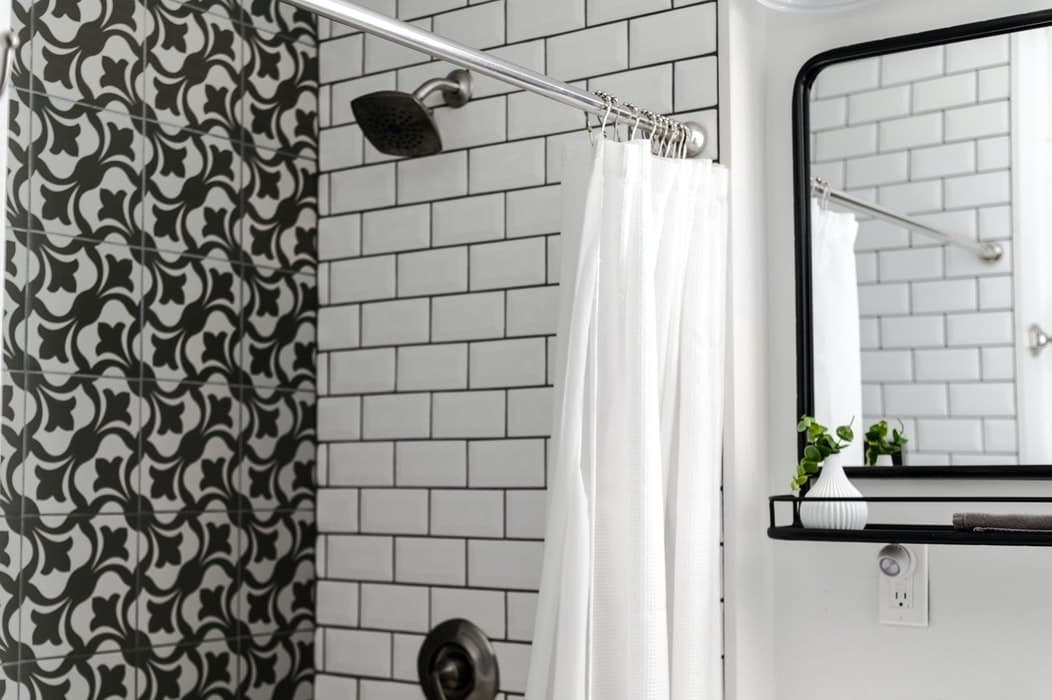
Thinking of replacing your shower to offer your bathroom a little extra flair? There are plenty of options! Here are some of the possibilities available for you to carry out a new renovation project.
Editorial Team
•23 juil. 2025
There’s nothing worse than time-worn caulk—the distasteful brown and brittle bead, cracking around the edges. Once the sealant starts cracking, you're at risk of dealing with water ingress, which could potentially lead to mould growth.
Cynthia Pigeon
•08 nov. 2023
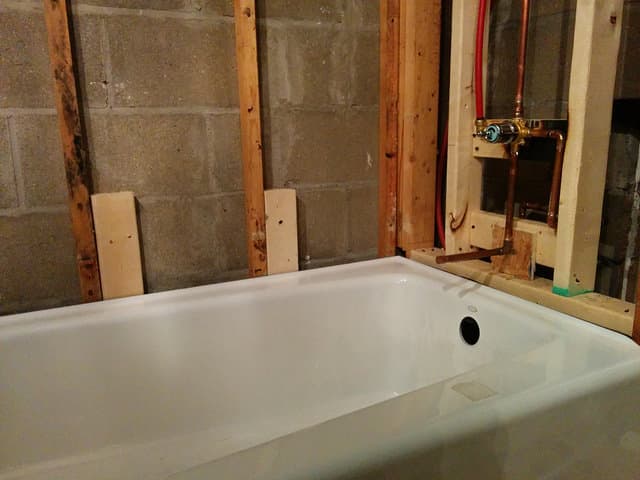
Cast iron tubs are not lacking in the charm department and, as an added bonus, they are extremely durable. However, they will eventually need to be replaced or simply removed. Since these tubs are very sturdy, they can be quite complicated to dismantle, given that they are generally very heavy and firmly built.
Editorial Team
•09 nov. 2024
Bathrooms hold a special place when it comes to home improvement projects. Why consider a bathroom renovation? What are the advantages, from both a functional and aesthetic perspective? In this article, we’ll explore the reasons pushing homeowners to remodel their bathrooms. Discover how a renovation can transform your space into a literal slice of heaven, increasing the value of your property, and optimizing the space’s user-friendliness. We’ll also look at the potential challenges associated with costs, renovation timelines, and their impact on one’s daily routine. Ready to give your bathroom a long-awaited facelift? Let’s delve in!

Editorial Team
•08 nov. 2023
Are you looking to replace your water heater? While this isn't an exciting buy, it’s nonetheless an important one. Indeed, having daily access to hot water is certainly essential and our comfort greatly depends on it.